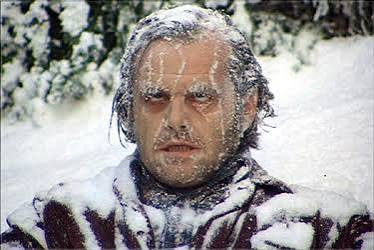
The "Seattle Freeze" Doesn't Refer to the Weather
Jeffrey Valcik December 27, 2025
Jeffrey Valcik December 27, 2025
The “Seattle Freeze” Doesn’t Refer to the Weather
A Public Service Announcement from a 40-Year Local Who’s Seen Some Things
Let’s stop pretending.
The Seattle Freeze has nothing to do with rain, snow, or whatever weather apocalypse the news is live-streaming this hour.
It’s about people.
Specifically: emotionally polite, conflict-avoidant, highly educated adults who will smile at you, say your name, compliment your jacket… and then actively avoid ever speaking to you again.
You can live next to someone for three years, share an elevator daily, survive an earthquake together — and still not know if they’re married, employed, or even real.
You’ll get a nod.
A “Have a good one.”
(I always think: a good what? Funeral? Clean shot? A homeless-person conversation with someone off their meds?)
Maybe a tight smile.
Definitely no follow-up.
Welcome to Seattle. Please don’t make plans.
Once upon a time, Seattle was a small, strange, beautiful secret.
You could sail in the morning, ski in the afternoon, and be home by dinner — no traffic, no lines, no one explaining it to you on Instagram.
Then the word Californication happened.
Then the tech boom.
Then global recruiting.
Then housing prices started behaving like they were on cocaine.
And suddenly Seattle was full.
Too full.
And when humans feel crowded, they don’t become friendlier — they become selective, suspicious, and passive-aggressive.
So instead of saying, “Hi, welcome,” Seattle perfected a survival skill:
Being just friendly enough to avoid confrontation, and just distant enough to avoid commitment, "Have a good one."
After 40 years living and working in Seattle, I can tell you the Seattle Freeze is absolutely real — it’s just misunderstood.
It isn’t about rudeness.
It’s about avoidance.
Talking to someone might lead to opinions, follow-up, expectations, or worse — effort.
That’s exhausting.
• Prolonged eye contact (more than two seconds) followed by immediate phone absorption
• “We should grab coffee sometime” (this is a lie)
• Compliments that land like soft insults
My ex-fiancée Nais, who moved here from Miami, called it within six weeks:
“No one here is mean. They’re just… emotionally unavailable.”
Her favorite local compliments she overheard:
“If it wasn’t for your body, you’d be a very attractive person, you ever think about....”
“That’s a great mask — you should keep wearing it forever.”
And the all-time Seattle classic:
“I’m really busy right now.”
Busy doing what?
Avoiding you.
In Seattle, this counts as warmth.
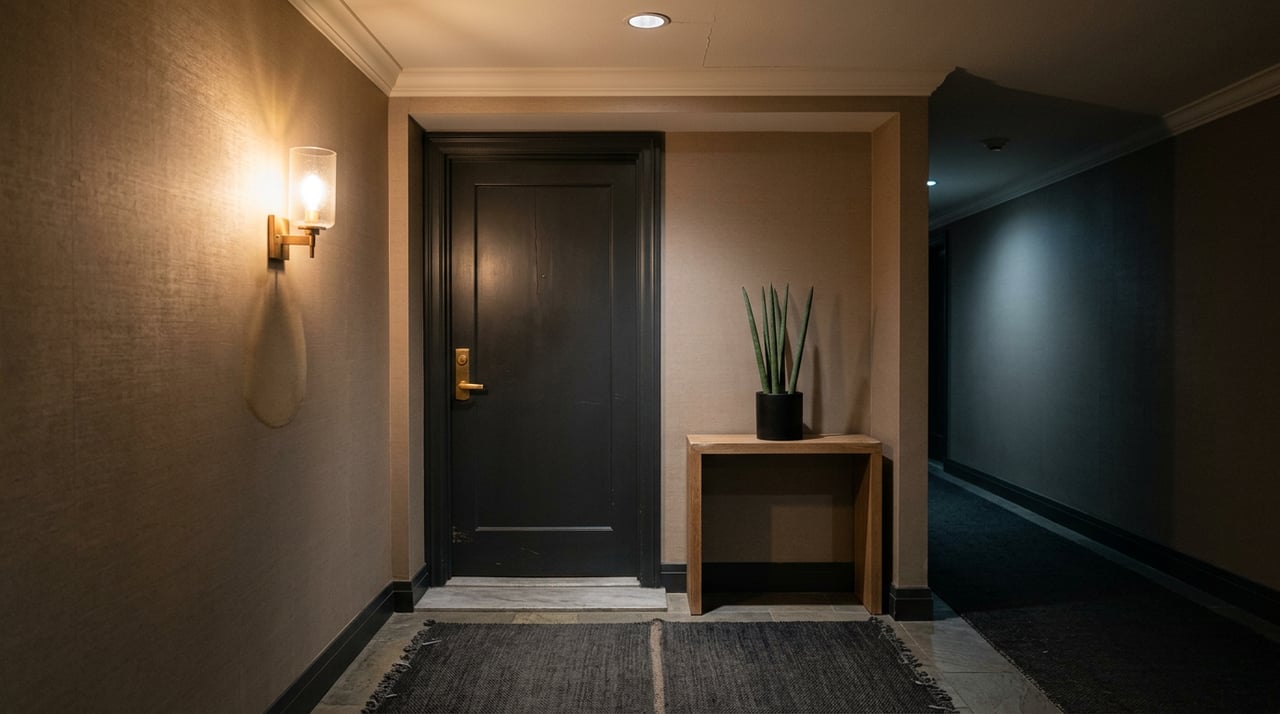
Clients tell me, “I don’t really know anyone in my building.”
That building has 300 people.
You share elevators (when they work).
You share walls.
You share smells.
“That curry smelled amazing last night, all the way down the hall.”
Next morning in the elevator:
“Garlic chicken, right?”
Still no names.
Still no conversation.
Still silence.
You may even share a ghost.
But god forbid you share a relationship.
Seattle doesn’t do strangers.
It does background characters.
Yes — and this matters.
The Seattle Freeze is not evenly distributed.
Some neighborhoods are noticeably warmer than others.
Community still exists here — it’s just location-specific.
If you want to live in parts of Seattle where people actually talk —
where neighbors know your name,
where kids’ sports involve parents sharing bottles of “coffee,”
and where the freeze occasionally cracks —
Seattle Premier Properties knows exactly where that still exists.
Some neighborhoods thaw faster than others.
I’ve been selling in them for 40 years.
Call or email me.
I’ll show you Seattle — without the emotional frostbite.
Tomorrow: Single in Seattle: Dating Basics
Have fun. I’ll get back to real estate next year.
Stay up to date on the latest trends in real estate.
September 24, 2026

September 17, 2026

September 10, 2026
September 3, 2026
August 27, 2026
August 20, 2026
August 13, 2026
August 13, 2026
August 6, 2026
Valcik Bilgin and Associates is dedicated to helping you find your dream home and assisting with any selling needs you may have. Contact him today to discuss all your real estate needs!
JEFFREY VALCIK
EVRIM BILGIN
ADDRESS
120 Westlake Ave N #924
Seattle, WA 98109