Leave a Message

Thank you for your message. I will be in touch with you shortly.

Browse Homes
How To Price A Magnolia Home In Any Market

How To Price A Magnolia Home In Any Market

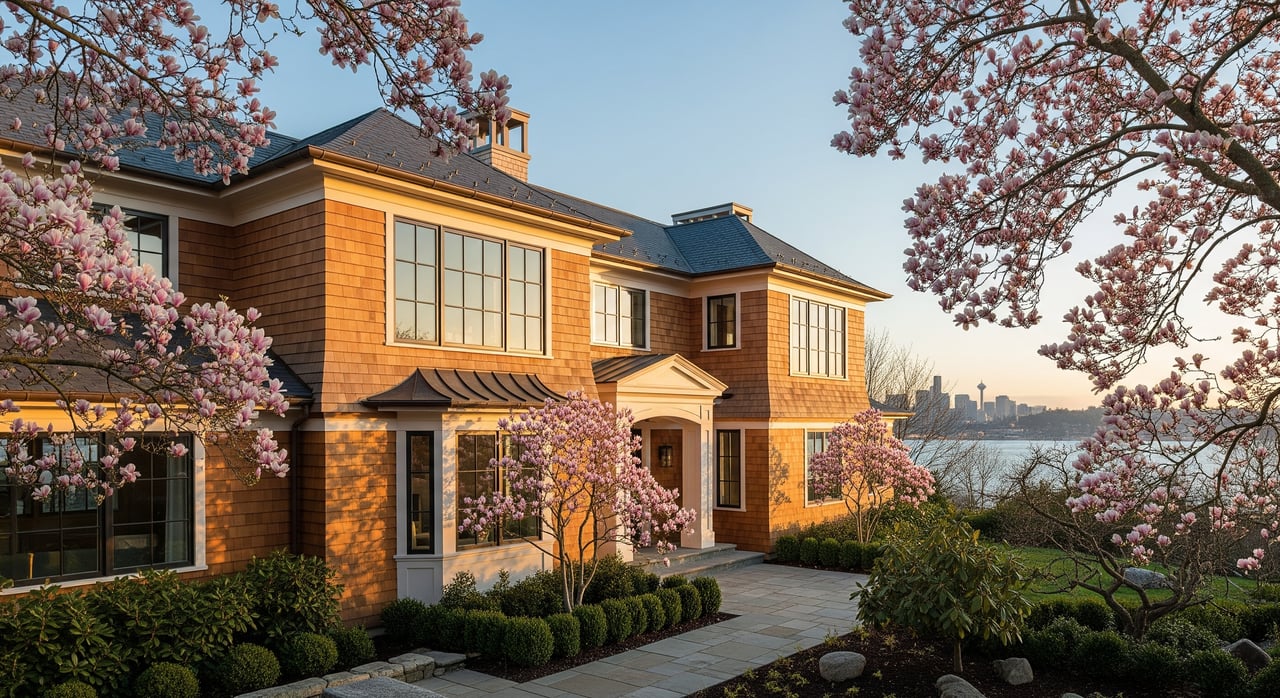
Two Magnolia homes can sit two blocks apart and still sell for very different prices. If you’re preparing to list, that gap can feel confusing and risky. You want a number that attracts real buyers, honors your home’s views and lot, and holds up through inspection and appraisal. In this guide, you’ll learn a clear Magnolia‑specific pricing process you can use in any market cycle, with practical tips for view premiums, slope and bluff considerations, and comp selection. Let’s dive in.

Know Magnolia’s pricing drivers

Pricing in Magnolia is hyperlocal. Two nearby streets can differ in view, slope, and access, which changes value.

  • View quality from main living areas and outdoor spaces.
  • Lot usability including slope, flat yard, and buildable area.
  • Micro‑location near Discovery Park and the bluffs, plus street access and parking.
  • Condition and updates such as kitchens, systems, and permitted suites.
  • Parking and garage capacity and convenience.
  • Regulatory or hazard constraints like steep‑slope or shoreline rules and landslide risk.
  • Market cycle that shifts buyer sensitivity and strategy.

Step‑by‑step Magnolia pricing framework

1) Capture the current market

Start with live neighborhood metrics for houses only. Pull 30, 60, and 90‑day solds, pendings, and active listings. Track median price, price per square foot, days on market, and pending ratio. Public summaries and broker analyses are available through NWMLS market reports.

Identify the cycle you are in: seller’s, neutral, or buyer’s. Your final strategy will depend on inventory, absorption, and the likelihood of multiple offers.

2) Select the right comps

Use a tight radius and control for elevation and view.

  • Start on your block or ridge before expanding.
  • Stay within a recent 3–6 month window in faster markets, and 6–12 months in slower markets.
  • Match living area within about 15–20 percent, plus bed/bath count and parking.
  • Prioritize the same view class and similar slope or usable yard.
  • Compare condition, remodel scope, and permitted ADU or lower‑level suites.
  • Exclude distress or estate sales unless adjusted for atypical terms.

3) Build your adjustment grid

Begin with a price‑per‑square‑foot baseline from your best comps. Then adjust for features not captured by size.

  • View quality and permanence.
  • Lot slope, yard usability, and buildable envelope.
  • Parking type and capacity.
  • Condition, age, systems, and permitted improvements.
  • Income potential from permitted ADUs.

Document your rationale with photos, site notes, and maps. Use the King County Parcel Viewer for lot dimensions, improvements, and tax data.

Valuing Magnolia views

Use a simple view taxonomy

Classify your home and comps into clear view groups based on what you see from primary living spaces and key outdoor areas.

  • A: Premium or panoramic views of Elliott Bay, downtown, and the Olympics.
  • B: Strong primary views with minor obstructions or narrower angles.
  • C: Partial views or glimpses, often from upper floors.
  • D: Limited or obstructed views that are not a major selling feature.

Convert view quality into value

Use relative adjustments rather than fixed dollars. Common local practice ranges, which you should calibrate with recent sales:

  • A: roughly +15 to +30 percent over similar no‑view comps.
  • B: roughly +8 to +15 percent.
  • C: roughly +3 to +8 percent.
  • D: 0 to a modest premium.

Apply your view premium to the base market value derived from like‑kind comps, then support it with photos from the main living level and deck or yard.

Fine‑tune for permanence and livability

  • Permanence: Water and mountain vistas across the bay often carry higher, more stable premiums than views likely to be blocked by future construction.
  • Usable rooms: Views from the kitchen, great room, primary suite, and main outdoor areas matter more than views from secondary rooms.
  • Seasonality: Dense or deciduous tree cover may reduce the premium if sightlines change across seasons.
  • Privacy balance: Many Magnolia buyers value green buffers and quiet as much as view drama.

Lot, slope, and park proximity

Usable yard vs steep slope

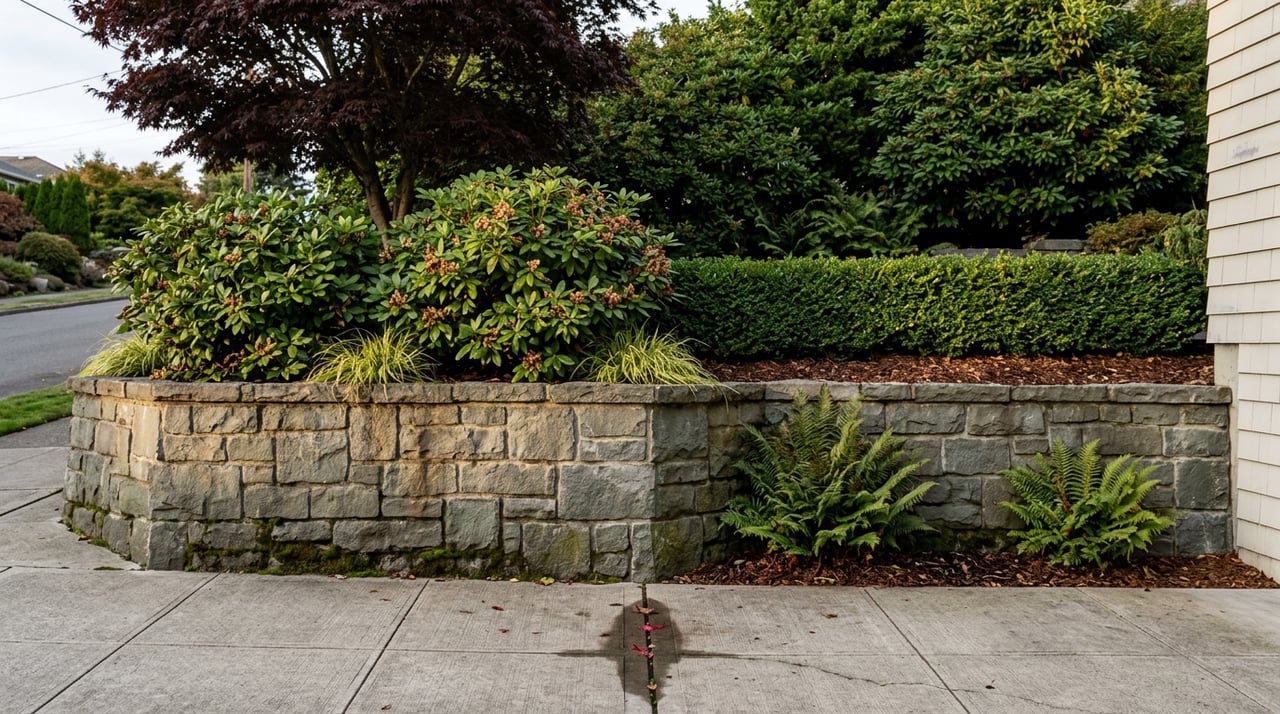
Total lot size tells only part of the story. A large lot with limited usable area can be worth less than a smaller, flat yard with room to live and entertain. Review steep‑slope and critical‑area designations that may constrain expansion or hardscape. The Seattle Department of Construction and Inspections and its Environmentally Critical Areas rules outline buffers and permitting triggers.

Bluff proximity and Discovery Park

Being close to Discovery Park can add value for access to trails and quieter streets. At the same time, parcels on or near the bluffs may carry landslide or erosion considerations. Check for any past stabilization work and geotechnical reports, and review hazard layers with the FEMA Flood Map Service Center. Blend amenity premiums with risk discounts when reconciling price.

Permits, insurance, and buildability

Homes on steep lots often face added permitting steps, geotechnical study needs, and higher foundation or retrofit costs. That can lower the value buyers assign to future expansion. Pull the city’s permit history to verify major alterations and use the county parcel data for dimensions, access, and recorded details. Documentation reduces buyer uncertainty and supports your price.

Pricing strategy by market cycle

Seller’s market

  • Test the upper range if you truly have A or B views, good access, and a flat or usable yard.
  • Consider a firm initial price and a clear offer review date to concentrate demand.
  • Watch out for outliers that miss the window and accumulate days on market.

Neutral market

  • Price at market value supported by your comps and adjustment grid.
  • Highlight views, usability, and permits in your marketing to justify your position.
  • Avoid “testing high” for too long, which can give buyers leverage.

Buyer’s market

  • Price slightly below market to create urgency and capture early interest.
  • Prepare to offer concessions or provide estimates for known slope or system work to build confidence.
  • Reassess every two weeks based on showings, feedback, and fresh competing inventory.

Documentation to assemble before listing

  • Recent survey or site plan plus legal description.
  • King County tax and parcel records, including sales history and improvements.
  • City permit history and any geotechnical or slope‑stabilization reports.
  • A view log with time‑stamped photos from the main living areas and deck or yard.
  • Parking and access notes including alley access and street restrictions.
  • Any recorded easements or covenants that affect view or buildability.

Common Magnolia comp pitfalls

  • Mixing ridgelines or plateaus without adjusting for elevation and view.
  • Using a partial‑view comp for a panoramic‑view home and underpricing the premium.
  • Ignoring lot slope and usable yard differences that affect daily living.
  • Relying on stale comps when inventory or rates shift.
  • Assuming past unpermitted work adds full value without documentation.

What this looks like in practice

Imagine a mid‑century home with partial bay views from the main floor and a steep back yard near the bluffs. Your best comps are recent sales on the same ridge with similar square footage and bed/bath counts. You would start with price per square foot from those sales, then add a partial‑view premium, and subtract for slope and limited yard usability. If a close comp has a panoramic view and a flat yard, that comp should be adjusted downward to reflect the difference from your home. Clear photos, slope and critical‑area verification, and permit records will support your final price and make appraisals smoother.

If you want a second set of eyes on your grid and a concise market readout, reach out. We price Magnolia homes every season and can assemble a clean, evidence‑backed valuation.

Ready to see where your home fits today? Request a Complimentary Home Valuation from Jeffrey A. Valcik and Associates, Inc. and get a precise pricing plan tailored to your block, view, and lot.

FAQs

How do Magnolia views affect price?

  • Appraisers and brokers often apply a relative premium for views. Panoramic views can add a multi‑percent uplift over similar no‑view homes, while partial views carry smaller premiums and obstructed views little to none.

How should I weigh bluff proximity when pricing?

  • Balance Discovery Park access and privacy against potential landslide or erosion considerations, then verify constraints using the city’s critical‑area guidance and hazard maps.

What comps are best for a Magnolia view home?

  • Use sales on the same ridge or block with the same view class and similar elevation, living area, and lot slope, then adjust for condition and parking.

Do tree‑blocked or seasonal views lower value?

  • Yes, buyers typically pay less for views that appear only part of the year or are heavily filtered by trees, especially if trimming is uncertain or not under your control.

What if my lot is large but steep?

  • Buyers price usable space, not just square footage of land, so steep lots often require a downward adjustment for limited yard, access, and expansion potential.

Which records should I pull before listing in Magnolia?

  • Gather parcel data, tax history, city permits, and any geotechnical or stabilization reports, plus a photo log of your views to support pricing and appraisal.

Work With Jeffrey

Jeffrey A. Valcik and Associates, Inc. is dedicated to helping you find your dream home and assisting with any selling needs you may have. Contact him today to discuss all your real estate needs!

Follow Me on Instagram