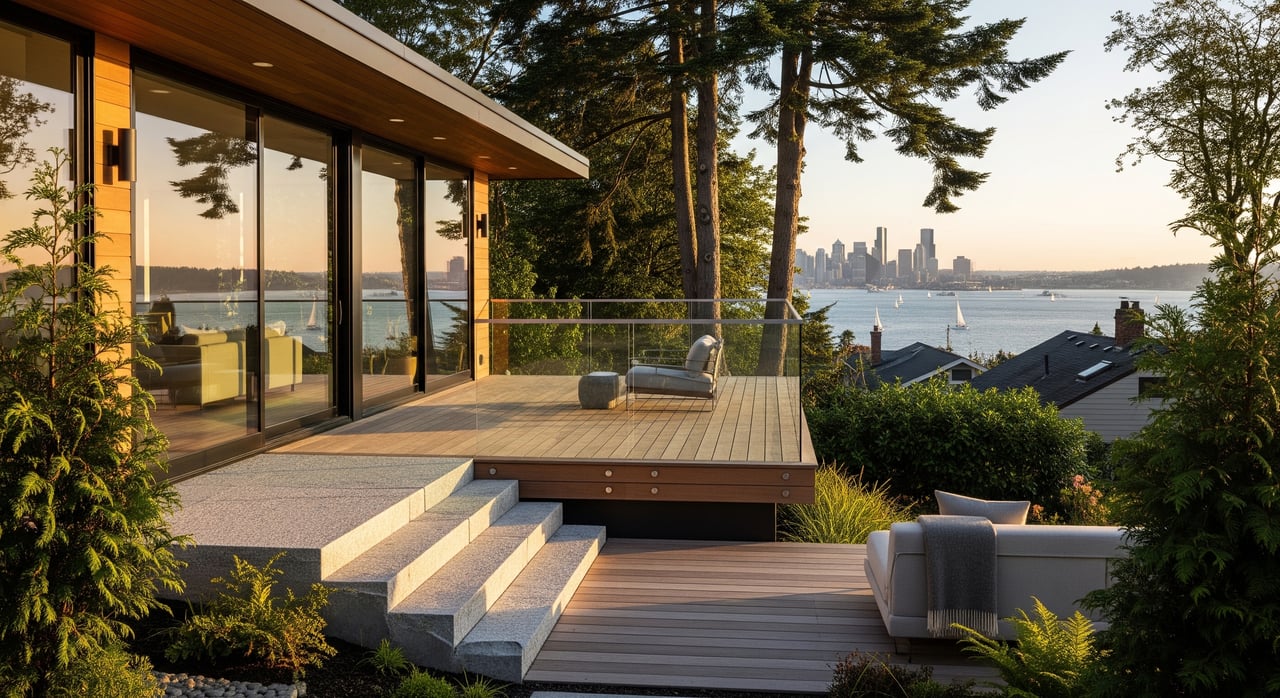
Understanding Magnolia’s View Home Micro‑Markets
February 5, 2026
February 5, 2026
Two Magnolia homes can look almost identical and still sell for very different prices. If you love Puget Sound sunsets or a skyline panorama, that gap can be confusing. You want to know what drives the premium, how stable that value is, and which tradeoffs are worth making. In this guide, you’ll learn how Magnolia’s bluff, hillside, and near‑village micro‑markets shape pricing, demand, and expectations for both buyers and sellers. Let’s dive in.
Magnolia’s geography creates distinct pockets of value. The peninsula rises quickly from the water, then rolls toward a flatter commercial core near Magnolia Village. That topography, combined with exposure and orientation, means a view on one street may be priced very differently than a view two blocks away. Understanding where a home sits within these micro‑markets helps you price, negotiate, and plan improvements with confidence.
Bluff properties along Magnolia’s western edge overlook Puget Sound with long, unobstructed sightlines to the Olympic Mountains. Many face west or northwest, which captures marine traffic and striking sunsets. Inventory is scarce, so well‑presented bluff homes often attract strong attention.
Buyers in this pocket usually prioritize outdoor living that connects directly to the view. Thoughtful decks, terraces, and large windows can lift perceived value. In return for the panorama, you should factor in more exposure to wind and salt, which can increase exterior maintenance and influence insurance considerations.
Sellers on the bluff often justify higher list prices, but buyers will scrutinize structure, drainage, and erosion mitigation. Expect questions about slope stability and any geotechnical reports or permits. Clear documentation and proactive disclosures can protect your premium.
Hillside homes on Magnolia’s mid‑peninsula slopes often frame the skyline, Elliott Bay, and portions of the mountains, depending on elevation and orientation. With enough height, these properties can deliver a multi‑paneled city plus water scene.
Buyers evaluate how the view lives day to day. They look at driveway slopes, stair count, and whether the main living areas are oriented to the view. Some consider accessibility investments, such as elevators, for long‑term comfort. Compared with bluff parcels, hillside homes may see less salt exposure while offering significant view value.
Sellers on steeper sites should be ready to show engineering and access solutions. Retaining walls, drainage planning, and parking clarity reduce risk in a buyer’s mind and support a stronger price.
Near‑village properties trade more on lifestyle than on large water panoramas. These homes sit closer to Magnolia Village and transit access, often on flatter lots. Some offer framed or partial views from upper levels or rooftop decks.
Buyers who choose this pocket often want short daily trips and easier access rather than maximum view breadth. Because the appeal reaches a broad audience, this area can be more resilient in shifting markets. For sellers, highlighting walkability, parking, and everyday convenience can matter more than dramatic view marketing.
Across Seattle, view homes typically command a premium over non‑view properties. The exact premium depends on view quality, permanence, and current market conditions. In recent years, the luxury segment has seen more volatility than entry price points, with sensitivity to interest rates and shifts in how buyers value at‑home amenities.
Magnolia sits near the top of Seattle’s single‑family pricing tiers due to its limited supply of prime view parcels, proximity to downtown, and access to Discovery Park. When inventory is tight, true full‑view properties can draw outsized attention. When inventory loosens, buyers may become more selective and differentiate sharply between a full, permanent water view and a partial or distant view.
West‑facing views are prized for sunsets and marine activity. South and east orientations can offer appealing light and warmth, yet tend to carry lower premiums for buyers focused on water plus mountain vistas. Your daily light preference still matters, so note where the sun lands during the hours you use the space most.
Elevation above surrounding roofs and trees reduces the risk of losing a view. Buyers weigh nearby zoning, recent building permits, and likely tree growth. If permanence looks strong, the view value holds better through cycles.
Bluff locations can feel more exposed to wind and marine noise. Hillside homes may offer more privacy but can sit closer to neighbors at similar elevations. Screening, setbacks, and thoughtful landscaping can tip buyer preference.
Usable outdoor space is scarce on steeper parcels. Wide terraces and well‑placed decks that connect the best view angles to daily living areas add real value. Even modest improvements that make a view more usable can increase marketability.
Architecture that brings the view into the main living areas will outperform a similar home with the view tucked into secondary rooms. Window size, door systems, and indoor‑outdoor connections often influence buyer perception more than raw square footage.
A home with limited views can still compete on convenience. Conversely, a stunning bluff scene may not overcome poor access or awkward parking. Buyers tend to reward a balanced package.
Appraisers look for recent sales with similar view quality, orientation, elevation, and site improvements. When ideal paired sales are scarce, they draw on local market behavior to estimate adjustments. The adjustment can be expressed as a percentage of overall value, a dollar per square foot, or a feature‑based premium.
Small differences can lead to big gaps. A living room view can be worth far more than the same view only from an upstairs bedroom. A seemingly minor change in permanence or privacy can also swing buyer perception. Buildability, easements, condition, and permitted floor area can push two look‑alike homes into very different pricing lanes.
Buyers may point to potential future obstructions, such as tree growth or nearby development, as leverage. They also weigh the cost of geotechnical work, window or roof replacement due to exposure, and the expense of creating usable outdoor living. The stronger your documentation and presentation, the steadier your pricing conversations.
In Seattle and Washington, views are generally not a protected property entitlement. Unless a specific easement or covenant exists, your view can be altered by new structures or tree growth. Buyers should verify risks, not assume protections.
Steep‑slope and landslide hazard regulations affect grading, expansion, and redevelopment potential. Tree rules can limit removals that might alter a view. If you plan to intensify or preserve a view, expect to account for permitting, neighbor coordination, and code compliance.
Hillside and bluff properties often require geotechnical investigation, retaining walls, and detailed drainage planning. Lenders may ask for additional documentation. Thoughtful due diligence upfront will protect timelines and price.
Exposure to wind and salt spray increases wear on paint, windows, railings, and metal fittings. Factor ongoing exterior maintenance and potential insurance implications into your ownership costs.
If you are weighing the bluff against the hillside, or a partial view near the Village against a full panorama, you deserve advice rooted in Magnolia’s micro‑markets. I have spent decades pricing, preparing, and marketing view properties across Seattle’s core neighborhoods, including Magnolia. My team coordinates staging, landscaping, pre‑inspections, and contractor scheduling, and we often advance pre‑sale costs to speed market readiness. Listings receive premium presentation and are syndicated through established luxury networks while you work with a single accountable advisor.
Ready to pin down your home’s view premium or identify the right target pocket for your purchase? Request a Complimentary Home Valuation or a tailored buyer strategy session today with Jeffrey A. Valcik and Associates, Inc..
Stay up to date on the latest trends in real estate.
October 22, 2026
October 22, 2026
October 15, 2026
October 8, 2026
October 1, 2026
September 24, 2026
September 17, 2026

September 10, 2026
September 3, 2026
Valcik Bilgin and Associates is dedicated to helping you find your dream home and assisting with any selling needs you may have. Contact him today to discuss all your real estate needs!

JEFFREY VALCIK
EVRIM BILGIN
ADDRESS
120 Westlake Ave N #924
Seattle, WA 98109