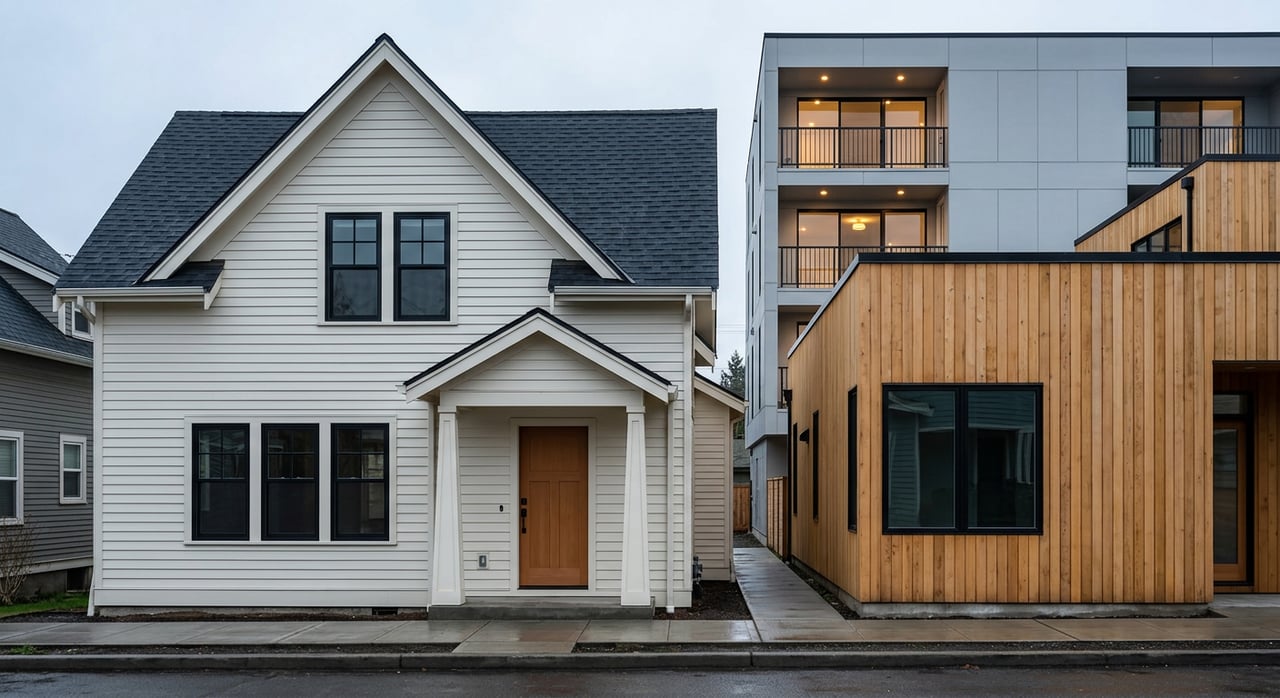
Queen Anne Living: Comparing Condos, Townhomes And Homes
March 5, 2026
March 5, 2026
Wondering whether a condo, townhome, or single-family home fits you best in Queen Anne? With its hilltop charm, cultural energy, and quick access to downtown, this neighborhood gives you strong options at different price points. You want the right balance of space, monthly costs, and walkability without surprises later. This guide breaks down what to expect from each home type in Queen Anne, with real examples, practical tradeoffs, and local context so you can move forward with confidence. Let’s dive in.
Queen Anne sits just north of downtown Seattle, spanning the historic hilltop and the lively base around Seattle Center. The hill areas of West, North, and East Queen Anne feature classic early 20th‑century homes on tree‑lined streets, while the base, often called Lower Queen Anne or Uptown, is denser and condo‑heavy. For a quick overview of the neighborhood’s history and layout, see the Queen Anne entry on Wikipedia.
Lower Queen Anne surrounds Seattle Center, home to the Space Needle, MoPOP, Pacific Science Center, and Climate Pledge Arena. That cluster of attractions makes Uptown especially walkable and active, as noted in local moving guides such as this post from The Seattle School. Lower Queen Anne typically posts a very high Walk Score, often in the low 90s, meaning most errands can be handled on foot according to Walk Score’s Lower Queen Anne page.
If you want a price‑friendly entry into Queen Anne, condos are often the most accessible option. Recent snapshots for Lower Queen Anne show typical condo values in roughly the mid‑$520,000 to $600,000 range, depending on the dataset and month. A representative example is 1214 Taylor Ave N #301, which sold in 2023 around $612,000 for a unit near 1,100 to 1,200 square feet.
With condos, you benefit from reduced exterior maintenance and, in many buildings, shared amenities. You also take on monthly HOA dues and building rules that can affect financing and resale. If you plan to use FHA or VA financing, confirm the building’s project approval with your lender and cross‑check using resources like the VA condo lookup. Event‑day logistics also matter here. Proximity to Seattle Center boosts convenience, but parking demand rises on event nights; city analyses of the Uptown area note constrained parking during large events, as discussed in the Uptown FEIS. If parking is important, look for deeded garage parking in your building.
Townhomes bridge the gap between condos and detached houses. You often get a private entry, multiple levels, and a garage, sometimes with a rooftop deck. In Queen Anne, townhomes commonly range from about 1,200 to 2,400 square feet and span a wide price band. A recent example is 2251 14th Ave W #A, which sold in late 2024 for about $825,000 for a three‑bedroom unit of roughly 1,700 square feet, with an HOA fee near $305 per month.
Townhomes appear along mid‑slope streets and near lowrise multifamily zones that allow rowhouse infill. Some communities have little to no HOA, while others function more like a condo association with regular dues. Always review the CC&Rs and HOA documents so you understand maintenance, budgets, and shared responsibilities before you commit.
Detached homes dominate Upper, West, and East Queen Anne. Many properties date to the early 1900s and show Queen Anne, Craftsman, Tudor, or updated designs. Buyers choose these homes for privacy, yard space, storage, and the character that defines the hill.
Pricing typically runs the highest here. Sub‑areas on the hill often report median detached sale prices from about $1.2 million to $1.6 million or more. A good reference point is 903 W Newell St, a three‑bedroom of about 2,090 square feet that sold around $1.595 million in mid‑2025. With a single‑family home, expect higher property taxes and full responsibility for exterior upkeep, from roof to yard.
Your monthly payment includes more than principal and interest. Factor in property taxes, insurance, utilities, and HOA dues if applicable. Queen Anne condo HOAs often range from a few hundred dollars to well above $600 per month in larger buildings with amenities. Some recent listings have shown dues around the low‑$600s per month, while smaller associations can be lower.
For condos and some townhomes, review the HOA’s financials. Ask for the budget, latest reserve study, master insurance policy, and recent meeting minutes. Unit owners typically carry an HO‑6 policy and may need loss assessment coverage, depending on the building’s master policy scope. For an overview of what condo association insurance can cover, see this guide on HOA master policies.
Lower Queen Anne is among Seattle’s most walkable areas. Many daily errands, dining, and entertainment options are nearby, as indicated by the neighborhood’s strong ratings on Walk Score. You can take the Seattle Center Monorail to downtown, and multiple bus lines serve the area. Transit routes change from time to time, so check current updates with King County Metro.
If you rely on street parking, plan for heavier demand during events at Climate Pledge Arena and Seattle Center. The Uptown FEIS notes parking constraints during large events. Look for homes with deeded garage spaces or on‑site parking if that is a priority.
Parts of Queen Anne, including the Upper Queen Anne Residential Urban Village and select corridors, carry lowrise multifamily zoning that permits townhome or rowhouse infill. If privacy or development risk is a concern, confirm zoning near any property you consider. You can review zoning context and neighborhood planning materials through the city’s resources, such as the Seattle Comprehensive Plan materials and the city’s land use regulations archive.
Keep in mind that Queen Anne is somewhat competitive, and prices vary based on view corridors, condition, parking, and micro‑location on or off the hill. If you want to use specific medians to set your budget, check the latest neighborhood snapshots the week you plan to make offers, since numbers move month to month.
Each housing type in Queen Anne offers a distinct value proposition. Condos trim maintenance and give you prime walkability. Townhomes deliver space and privacy at a middle price point. Single‑family homes offer character and room to grow, with higher ownership costs. A seasoned local broker can help you time the market, weigh HOA health, unpack zoning, and compare recent sales on your target blocks.
If you are deciding between a condo, townhome, or single‑family home in Queen Anne, let’s talk through your goals, commute, budget, and timeline. For sellers on the hill considering a move, precise pricing and presentation can make a measurable difference in outcomes. Reach out to Jeffrey A. Valcik and Associates, Inc. to align on a plan that fits your next step.
Stay up to date on the latest trends in real estate.
September 24, 2026
September 17, 2026

September 10, 2026
September 3, 2026
August 27, 2026
August 20, 2026
August 13, 2026

August 13, 2026
August 6, 2026
Valcik Bilgin and Associates is dedicated to helping you find your dream home and assisting with any selling needs you may have. Contact him today to discuss all your real estate needs!

JEFFREY VALCIK
EVRIM BILGIN
ADDRESS
120 Westlake Ave N #924
Seattle, WA 98109