Using A Downtown Seattle Condo As A Second Home Or Investment
April 23, 2026
April 23, 2026
Thinking about buying a Downtown Seattle condo that can serve as both a city retreat and a financial asset? That idea can make a lot of sense, but only if the building, rules, and holding plan match how you actually want to use the property. If you are weighing a second home, a long-term rental, or a mix of both, understanding the details upfront can save you time, money, and frustration later. Let’s dive in.
Downtown Seattle offers something many second-home buyers and investors want: convenience. You have access to the waterfront, Pike Place Market, restaurants, arts venues, live music, and a more pedestrian-friendly urban core around Elliott Bay, according to Visit Seattle’s downtown and waterfront overview.
For buyers who travel often or do not want a car-dependent lifestyle, transit is part of the draw. Visit Seattle highlights downtown Link access through Westlake, Symphony, Pioneer Square, and International District/Chinatown stations, and regional service now connects downtown Seattle to Bellevue and Redmond through the 2 Line. That makes a downtown condo especially practical if you split time between Seattle and the Eastside.
If you are considering a condo as a second home or investment, today’s market gives you more room to evaluate options than buyers had during the most competitive years. Redfin reports that the Downtown Seattle median sale price was $573,000 in March 2026, down 17.6% year over year, with homes averaging 67 days on market.
At a broader level, condo supply has also improved. NWMLS data in the research report shows average active condo listings rose 34.4% in 2025, while months of supply averaged 2.83, which is still below a fully balanced market. In practical terms, you may have more selection, but strong buildings and well-positioned units can still attract attention.
For added context, the same report notes King County’s median condo price was $560,000 and the Seattle-area condo median was $590,000. That gives you a useful benchmark when comparing a specific Downtown Seattle building to the broader market.
Before you look at finishes, views, or amenities, define the role of the condo. This decision affects the building you target, the rules you need to review, and the financial questions you should ask.
A downtown condo can work well as a pied-a-terre if you want flexible access to Seattle for work, events, travel, or weekend stays. In that case, location, building operations, and ease of lock-and-leave ownership may matter more than maximizing rental income.
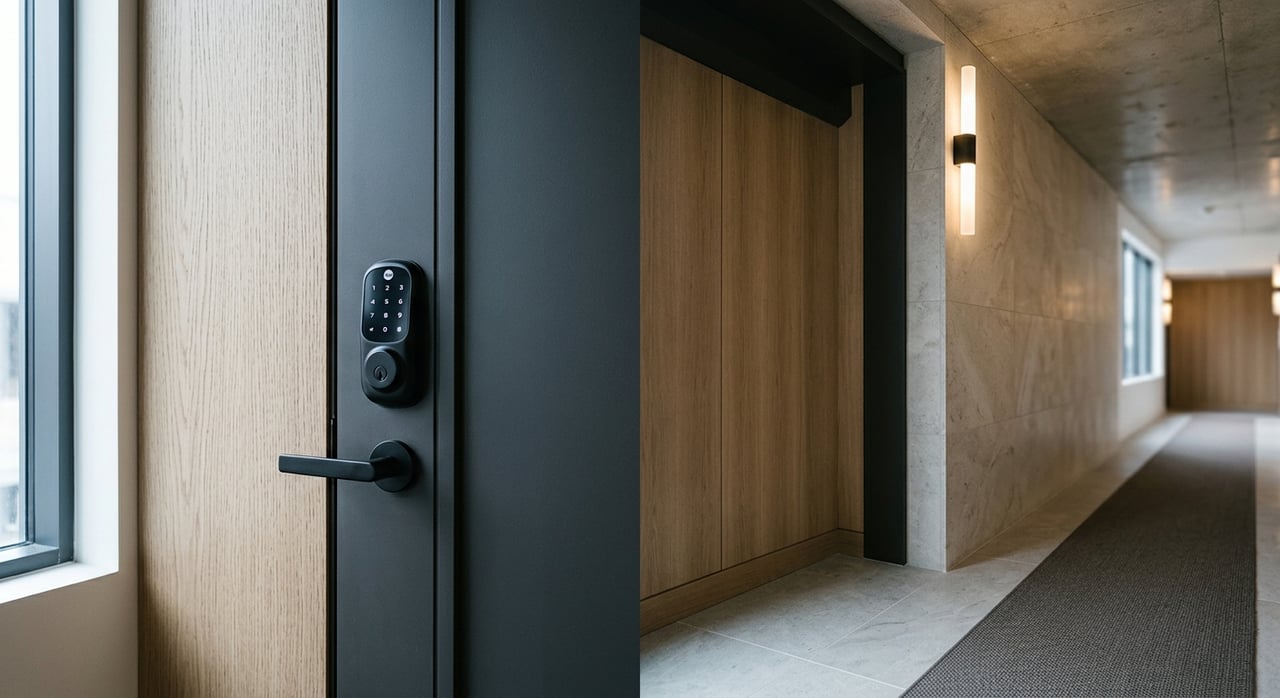
If personal use is your priority, focus on predictable ownership. A well-run building with secure entry, reliable elevators, package handling, parking or storage, and clear guest and pet policies can make occasional use much easier.
If the main goal is income or long-term asset performance, you need to focus on leasing rules and operating risk. That means looking closely at association documents, reserve health, assessments, insurance, and whether the building’s management structure supports absentee ownership.
For many buyers, the practical investment path in Downtown Seattle is long-term rental rather than vacation-style use. That is an important distinction because Seattle regulates short-term rentals differently than traditional rentals.
Many buyers assume they can offset costs with short stays, but that is not always realistic. Seattle’s short-term rental rules define a short-term rental as fewer than 30 consecutive nights and require both a city business license tax certificate and a separate short-term rental regulatory license.
The current city fee is $75 per unit per year. Most operators may run up to two units, and renters generally cannot obtain operator licenses except for certain limited Downtown Urban Core grandfathered situations tied to use before September 30, 2017.
Even if city rules allow a short-term rental in some circumstances, the condo association may not. That is why building rules should be one of your first filters, not something you check after you fall in love with a unit.
For many owners, long-term leasing is the cleaner path. If you plan to rent the condo on a traditional lease, Seattle’s Rental Registration and Inspection Ordinance requires rental housing properties to be registered, and landlords must register as soon as they have a tenant.
That same city guidance also notes that RRIO properties are subject to periodic inspections. For an absentee owner, that makes organization and local support especially important.
The research report also notes that Washington defines real estate brokerage services to include leasing, renting, and property management services. If you do not live nearby or want help with tenant placement, rent collection, maintenance coordination, and bookkeeping, working with a licensed professional is usually the most practical route.
A sleek lobby is nice, but it does not tell you how easy ownership will be. For a second home or investment condo, the most valuable features are often operational and financial.
For absentee ownership, prioritize a building with:
These details can affect your day-to-day experience more than headline amenities. They also help reduce friction if you are not in Seattle full time.
Washington’s condo reserve-study rules are especially important here. Under state reserve study requirements, many associations must update reserve studies annually, complete a full visual-inspection update at least every three years, and disclose when no current reserve study exists.
Reserve studies are intended to account for major building components such as roofing, painting, paving, decks, siding, plumbing, and windows. If reserves are inadequate, owners may face special assessments, which can change the economics of a second home or rental very quickly.
In Washington, the condo resale certificate is one of the most important documents in the transaction. Under RCW 64.34.425, it must include key information such as monthly assessments, unpaid special assessments, anticipated repair or replacement costs, reserve balances, financial statements, pending legal proceedings, insurance coverage, governing documents, rules, and the current reserve study if one exists.
It can also include EV-charging-related requirements and warning language if there is no current reserve study. For buyers, that means the resale certificate is not just paperwork. It is the foundation of your due diligence.
Still, it should be the starting point, not the finish line. You want to read it alongside the declaration, bylaws, and leasing rules so you can confirm the building truly supports your intended use.
If you are evaluating a Downtown Seattle condo for second-home use or investment, keep your review focused on the issues that most often affect ownership outcomes.
A strong condo for this purpose is usually one with clear leasing rules, healthy reserves, and a management structure that makes absentee ownership more predictable.
If you plan to use the condo part of the year and rent it out at other times, tax treatment can get complicated. The IRS guidance on dwelling units and mixed personal and rental use explains that expenses may need to be divided and reported differently depending on how the property is used.
That means a mixed-use condo does not get taxed the same way as a pure investment property in every case. Before you make assumptions about deductions or income strategy, it is wise to speak with a CPA or tax advisor.
The best Downtown Seattle condo is not always the one with the flashiest amenities or the highest floor. It is the one that fits your actual plan, whether that means easy lock-and-leave living, stable long-term rental potential, or a careful balance of both.
That is where local guidance matters. Building rules, market pricing, and association health can vary significantly from one property to the next, even within the same few blocks.
If you are considering a Downtown Seattle condo as a second home or investment, working with an experienced local advisor can help you narrow the field, spot red flags early, and focus on buildings that align with your goals. To start the conversation, connect with Jeffrey A. Valcik and Associates, Inc..
Stay up to date on the latest trends in real estate.
September 24, 2026
September 17, 2026

September 10, 2026
September 3, 2026
August 27, 2026
August 20, 2026
August 13, 2026

August 13, 2026
August 6, 2026
Valcik Bilgin and Associates is dedicated to helping you find your dream home and assisting with any selling needs you may have. Contact him today to discuss all your real estate needs!

JEFFREY VALCIK
EVRIM BILGIN
ADDRESS
120 Westlake Ave N #924
Seattle, WA 98109