
Should Queen Anne Sellers Do A Pre‑Inspection?
Jeffrey Valcik January 1, 2026
Jeffrey Valcik January 1, 2026
If you own a Queen Anne home built somewhere between horse-drawn carriages and the invention of Wi-Fi, you’ve probably had the same thought:
“What exactly is a buyer’s inspector going to find?”
Fair question.
With so many early-20th-century homes on the hill, pre-inspections are less about panic and more about control. A smart plan can help you avoid last-minute surprises, price with precision, and keep your timeline intact — instead of renegotiating in your kitchen at 10:30 p.m. after an inspection report drops like a brick.
In this guide, I’ll walk you through when a seller pre-inspection makes sense in Queen Anne, what to inspect (and what not to overthink), how to handle findings without killing momentum, and how disclosures actually work in Washington. Let’s dive in.
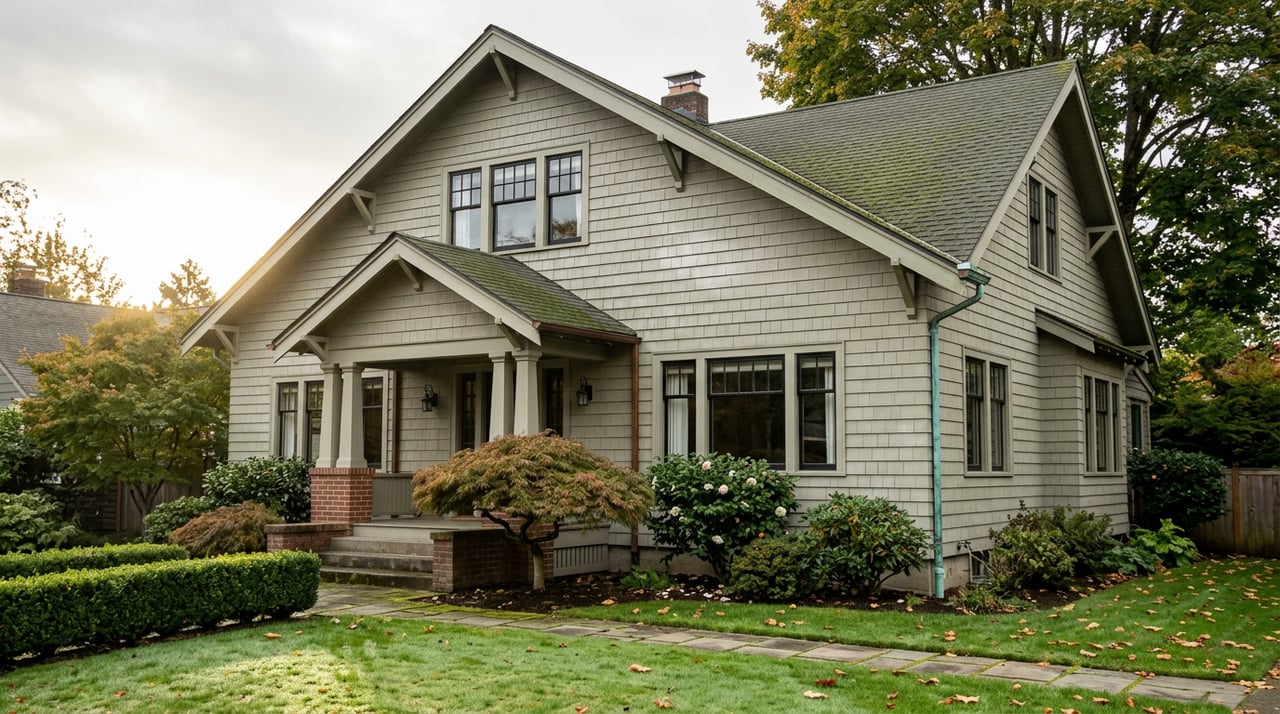
Queen Anne’s housing stock is older — and that’s exactly why people love it. Many homes were built between 1900 and 1940 and updated in phases over the decades. They have charm, bones, and stories — but they also tend to come with a few inspection “greatest hits” that buyers fixate on.
At Seattle Premier Properties, we already cover or reimburse for designer staging, cinematic walkthroughs, light landscaping, and yes — pre-inspections and sewer scopes. Historically, seller-paid inspections never made much sense to me. But as they’ve become the norm in Seattle, I use them strategically — to my clients’ advantage, not as a blank check for buyers.
Stay up to date on the latest trends in real estate.
September 24, 2026

September 17, 2026

September 10, 2026

September 3, 2026

August 27, 2026
August 20, 2026
August 13, 2026

August 13, 2026

August 6, 2026
Valcik Bilgin and Associates is dedicated to helping you find your dream home and assisting with any selling needs you may have. Contact him today to discuss all your real estate needs!

JEFFREY VALCIK
EVRIM BILGIN
ADDRESS
120 Westlake Ave N #924
Seattle, WA 98109