Will your Magnolia view look the same five years from now? If you own or want to buy a home with sightlines to Elliott Bay, the Olympics, or downtown, that question matters. Views carry real value in Seattle, yet they are not automatically protected. In this guide, you will learn how view corridors and easements work, what to check before you buy or sell, and how these protections affect price and negotiation. Let’s dive in.
View easements and related terms
Understanding a few key terms helps you assess your risk and options.
- View easement: A recorded legal right that protects a defined view across a neighboring property. It usually maps a view cone or plane, sets allowed heights for structures or vegetation, explains maintenance duties, and states how long it lasts.
- View covenant or neighborhood agreement: Private restrictions in plats or CC&Rs that limit heights or vegetation to preserve views for multiple parcels.
- Public view corridor: A public tool that protects a view for the community or in specific rights-of-way. These are uncommon at the neighborhood level in Seattle, though shoreline and park-adjacent rules can limit bulk and height nearby.
- Zoning and height limits: City land use rules that cap building height, setbacks, and massing. These rules shape what can be built but do not guarantee your private view will remain.
- Sightline, sight plane, or view cone: The technical geometry used in many easements. It may fix an “eye point” at a window or deck, then define angles or maximum allowable heights across a neighbor’s lot.
Why Magnolia views face unique pressures
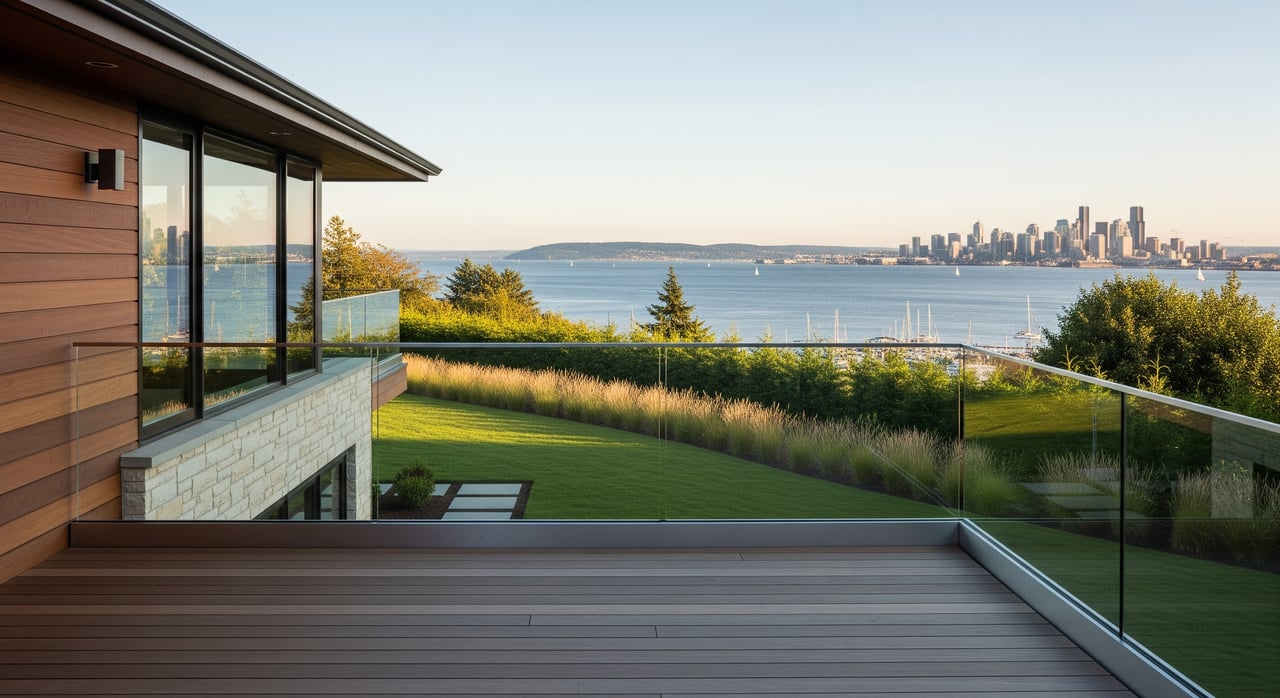
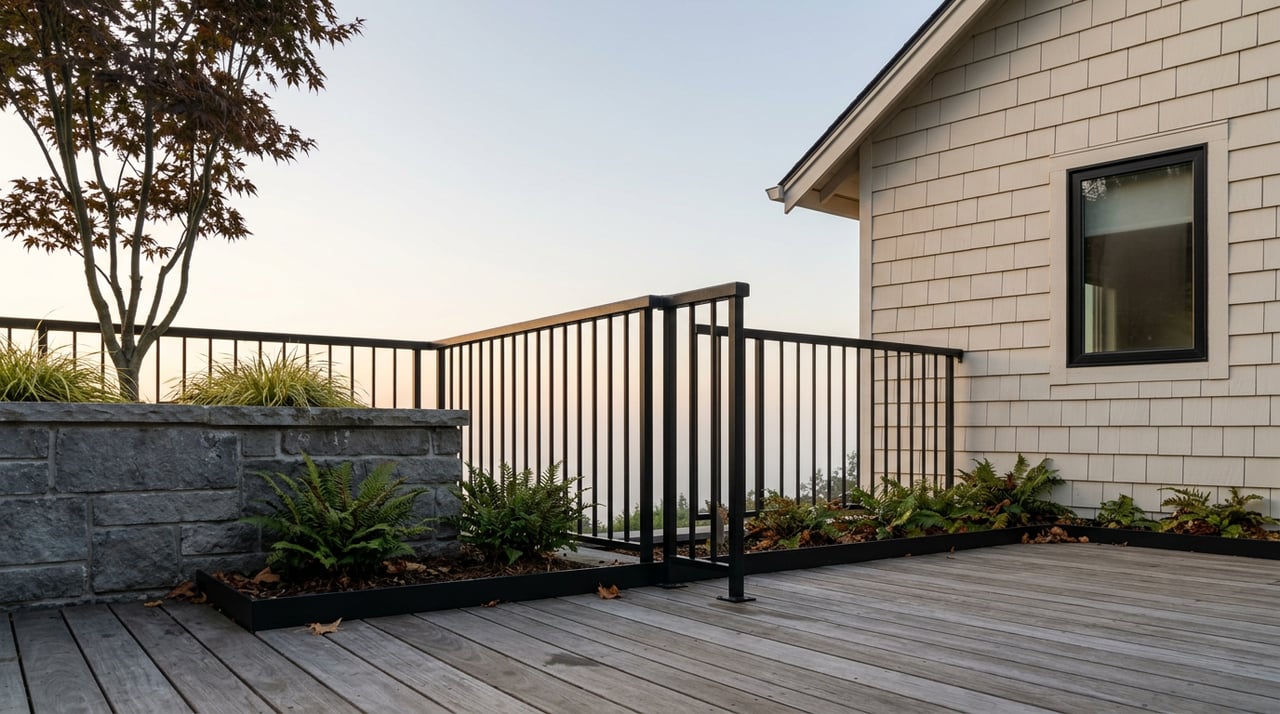
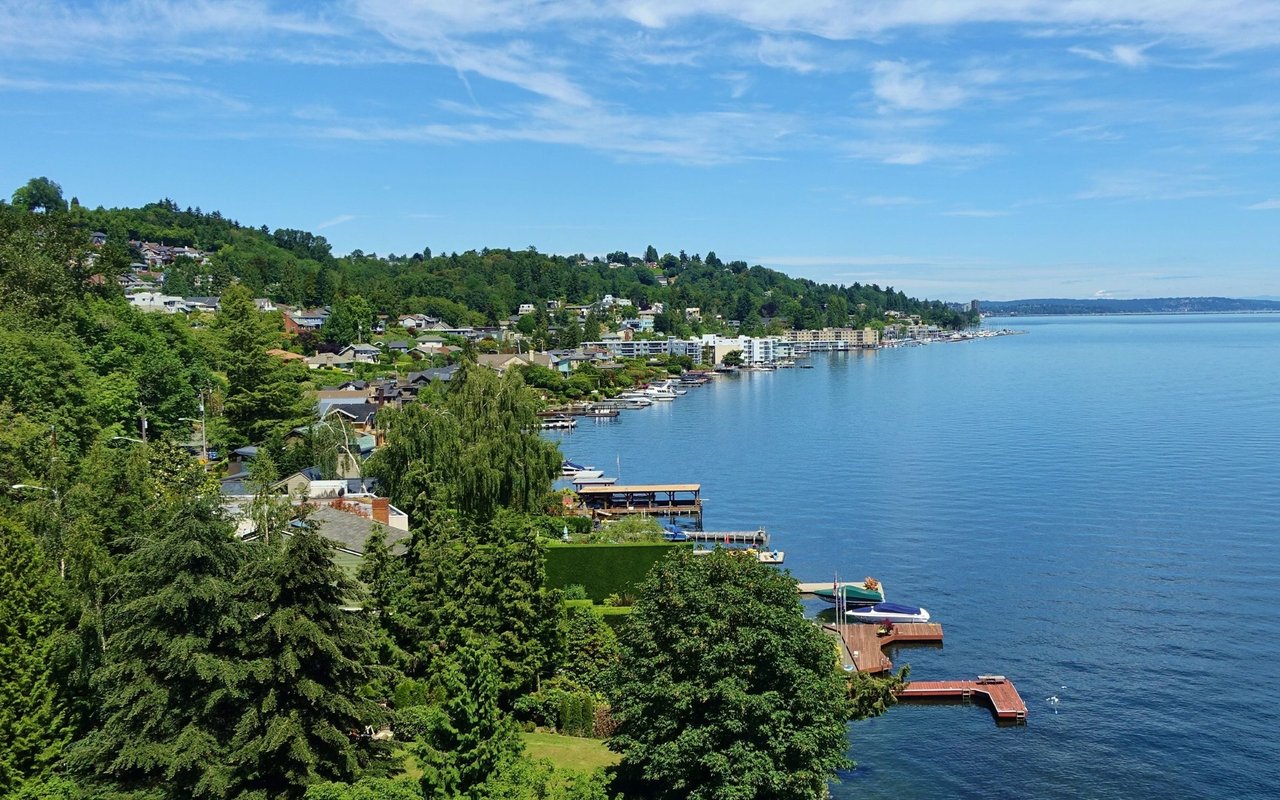
Magnolia sits high above Elliott Bay and Puget Sound with natural slopes that frame world-class vistas. That topography is also why even modest changes next door can alter a sightline. New construction, second-story additions, and growing trees are the most common causes of view loss.
Relying on zoning alone is risky. Zoning can change, and code-compliant projects can still interrupt a private view if no recorded protection exists. If your view is central to your lifestyle or valuation, you need to confirm whether any private protections are in place.
Where to verify view protections in Seattle
You can confirm, or rule out, protections by checking several public and private sources.
- King County Recorder’s Office: Search recorded easements, plats, and covenants by parcel. This is where view easements and neighborhood restrictions are recorded.
- King County Assessor and Parcel Viewer: Review parcel boundaries, tax IDs, and links to recorded documents.
- Seattle Department of Construction and Inspections (SDCI): Search permits and plan sets for your property and nearby parcels. Look for new builds, additions, or major remodels that could change a sightline.
- Seattle Municipal Code and Land Use Code: Identify zoning, height limits, setbacks, and any shoreline or tree rules that apply to your block.
- Seattle Department of Neighborhoods, historic resources: Extra restrictions can apply in and around historic areas that may limit changes.
- Title company report: A preliminary title commitment will list recorded easements and covenants. It is an essential early step for buyers and sellers.
Due diligence checklist for buyers and sellers
Do not assume your view is safe because it exists today. Use this checklist to confirm what the future might hold.
Title and recorded documents
- Order a preliminary title report early in your process.
- Look for view easements, restrictive covenants, and plat notes that address height or vegetation.
- Confirm whether any view rights are perpetual, time-limited, or tied to specific eye points and angles.
- If you find no recorded protection, plan as if code-compliant building next door could affect your view.
Physical and technical verification
- Survey and sightline study: Ask a licensed surveyor to produce an ALTA or similar survey with elevations. Commission a sightline or view-cone diagram from key rooms to document what must remain clear.
- Arborist report: Have an arborist evaluate trees on your lot and nearby for species, growth rates, and long-term height. Ask about realistic trimming schedules and local rules that could limit removals.
- Neighboring plans: Use SDCI permit records to find and review plan sets for adjacent parcels. Pay close attention to proposed ridge heights, roof decks, and second-story additions.
Regulatory and planning checks
- Zoning: Confirm zoning for your property and neighbors. Note height limits, setbacks, and any shoreline or tree-protection overlays.
- Permit activity: Look for pending demolitions, new construction, and additions within your immediate view corridor. Even a detached ADU or a modest second story can change a sightline on a sloped lot.
- Public projects: Scan city and county project pages for right-of-way or park work that could alter edges of views, especially near bluff tops or waterfronts.
Contract and negotiation tools
- Contingencies: Include a review period for title exceptions, recorded easements, and a survey-based sightline analysis.
- Disclosures: Ask the seller to provide copies of any deed restrictions, plats, CC&Rs, or private easements affecting views.
- Easement creation: If risk is high, ask the seller to secure and record a view easement from the neighbor before closing. This requires cooperation and may need compensation.
- Price and credits: If protection is uncertain, negotiate a price adjustment or credit based on market data for similar homes with and without secure views.
How view protections affect value
View quality is subjective, but the market consistently pays for clear, stable views in Magnolia. The biggest drivers of value are the permanence of protection, the scope of the view, and the likelihood of nearby development under current zoning.
- Permanence: A recorded, perpetual view easement with clear geometry typically commands a premium versus a view that relies on zoning alone.
- Scope and rooms affected: Panoramic water or skyline views from main living spaces and primary bedrooms tend to carry the most value.
- Development risk: Known permit activity or realistic build-out potential next door can discount value if no private protections exist.
When risk exists, you can win leverage in negotiations. Ask for an easement to be recorded, request a price reduction, or include a contingency that allows you to cancel if a sightline study shows unacceptable loss. Some buyers also negotiate escrow holdbacks or remedy clauses tied to future outcomes, although those are less common.
Magnolia case studies you can learn from
Example A: No easement, new house permitted
A buyer closed on a Magnolia home with downtown and water views. No view easement existed. A neighbor built a two-story home within code limits, and the structure blocked part of the view. With no private easement to enforce, the buyer’s options were limited to negotiation or accepting the change. Lesson: Without a recorded easement, code-compliant building can legally block a view.
Example B: Recorded easement, clear geometry
A Magnolia seller held a recorded view easement describing a view cone from the living room with height limits on vegetation and structures. A neighbor planned a remodel, but the recorded language required a redesign to avoid violating the sight plane. Buyers valued the clarity and permanence. Lesson: A well-drafted, recorded easement can protect value and reduce risk for future owners.
Example C: Tree growth over time
A homeowner enjoyed a framed water view for years, but mature trees on an adjacent lot grew into the sightline. No private easement existed, and local tree rules made removal difficult. Lesson: Tree growth is a common, gradual threat. Plan for arborist input and long-term maintenance strategies.
What strong view easements include
If you pursue a view easement, push for clear, measurable terms.
- Defined eye points: Identify exact windows, decks, or coordinates, including elevations.
- Precise geometry: State horizontal and vertical angles, or a maximum allowable height at set distances to create a clear sight plane.
- Vegetation rules: Specify species, maximum heights, and who maintains or trims.
- Change mechanism: Outline how the easement can be modified, relocated, or enforced, and include a dispute-resolution process if needed.
- Recording: Record against both the dominant and servient parcels so successors are bound.
Practical next steps for Magnolia homeowners
- Pull title records now, not after you list or write an offer. Confirm whether any view protections exist and what they say.
- Order a survey and sightline study if the view is central to your price target or purchase decision.
- Review SDCI permit activity for your block and the immediate downhill or sideways parcels that sit in your view path.
- Consult an arborist about current trees and growth rates along your sightline, plus realistic maintenance.
- Verify zoning and any shoreline or tree overlays that could shape future building next door.
- If you need a private easement, involve a real estate attorney and a surveyor to draft accurate geometry and recording language.
If you are weighing improvements or a sale, I can help you assess how view protections, or risks, will play into pricing, marketing, and timing. For a confidential, data-driven plan, contact Jeffrey A. Valcik and Associates, Inc. for a complimentary home valuation and strategy.
FAQs
What is the difference between a view easement and zoning height limits in Seattle?
- A view easement is a private, recorded right that can prevent specific obstructions, while zoning height limits are public rules that control building size but do not guarantee your private view will remain.
How can I tell if my Magnolia property has a recorded view easement?
- Order a preliminary title report and search King County Recorder records by parcel to find any easements, plat notes, or covenants tied to your property.
Can I create a new view easement with my neighbor after I buy?
- Yes, if your neighbor agrees. You will need a surveyor to define the geometry and an attorney to draft and record the easement against both properties.
What should I check before making an offer on a view home in Magnolia?
- Add a contingency for a title review and a sightline study, search SDCI permits on neighboring lots, and confirm zoning and tree rules that could affect future building or vegetation.
What if a neighbor’s trees are blocking or will soon block my view?
- Ask an arborist to evaluate species and growth, review any easement or covenant language, and explore cooperative trimming or a negotiated vegetation agreement with the neighbor.
Do public view corridors protect private home views in Seattle?
- Public view corridors are rare at the neighborhood scale and are intended for community viewpoints, so they generally do not protect an individual home’s private view.