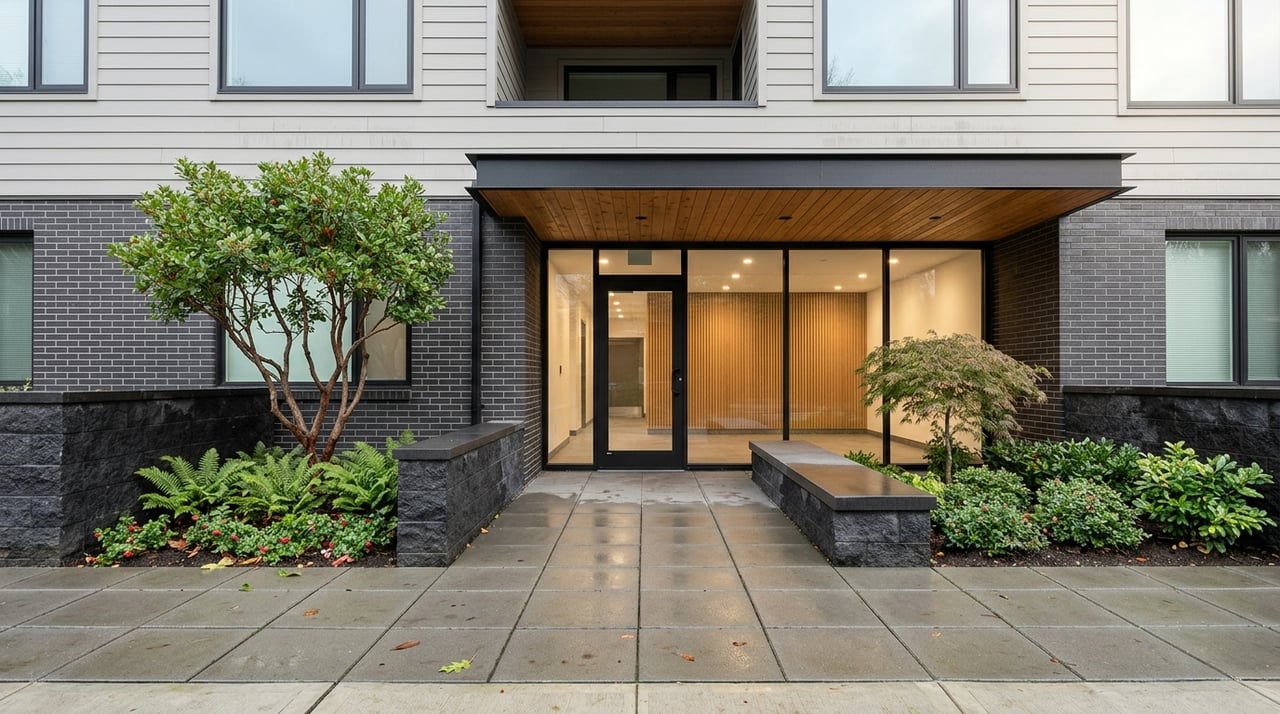
Upper Or Lower Queen Anne: Choosing Your Next Home
July 9, 2026
July 9, 2026
Wondering whether Upper Queen Anne or Lower Queen Anne is the better fit for your next move? It is a smart question, because these two parts of the same broader neighborhood can feel very different day to day. If you are weighing home style, walkability, transit, and daily convenience, a clear side-by-side look can help you focus on what matters most to you. Let’s dive in.
Seattle’s planning framework draws a useful distinction between Queen Anne Hill and Uptown Queen Anne. In everyday conversation, many people still call Uptown “Lower Queen Anne.”
That city-level distinction helps explain the real-world feel of each area. Upper Queen Anne is identified as a Residential Urban Village, while Uptown or Lower Queen Anne is identified as an Urban Center. In simple terms, that often means a more residential hilltop setting above and a denser mixed-use setting below.
Upper Queen Anne is shaped by a hilltop residential pattern. City historic context materials describe the top of the hill as being dominated by single-family residences, with smaller multifamily pockets and commercial or office activity concentrated along arterials and neighborhood nodes.
The main commercial spine is Queen Anne Avenue N. City sources describe it as the hilltop’s key business and shopping corridor, with restaurants, grocery stores, boutiques, convenience uses, businesses, and offices serving daily needs.
You also see neighborhood-serving activity in smaller nodes around Boston Street, W. McGraw, and 10th Avenue W. That layout supports a village-style feel, where errands and dining are spread across a few familiar spots rather than concentrated in one large entertainment district.
Lower Queen Anne, also known in city planning as Uptown, has a more mixed-use pattern. City documents describe it as a neighborhood with a blend of commercial and residential uses and a wide range of building types and construction periods.
The area experienced strong commercial and multifamily growth along Queen Anne Avenue N. and First Avenue N. That history still shapes what many buyers experience today: a more urban environment with more apartments, condos, mixed-use buildings, and denser activity.
Seattle’s Uptown design guidance emphasizes a pedestrian-friendly, active urban center with diverse housing and businesses. If you want your neighborhood to feel connected to arts, events, dining, and transit, that distinction matters.
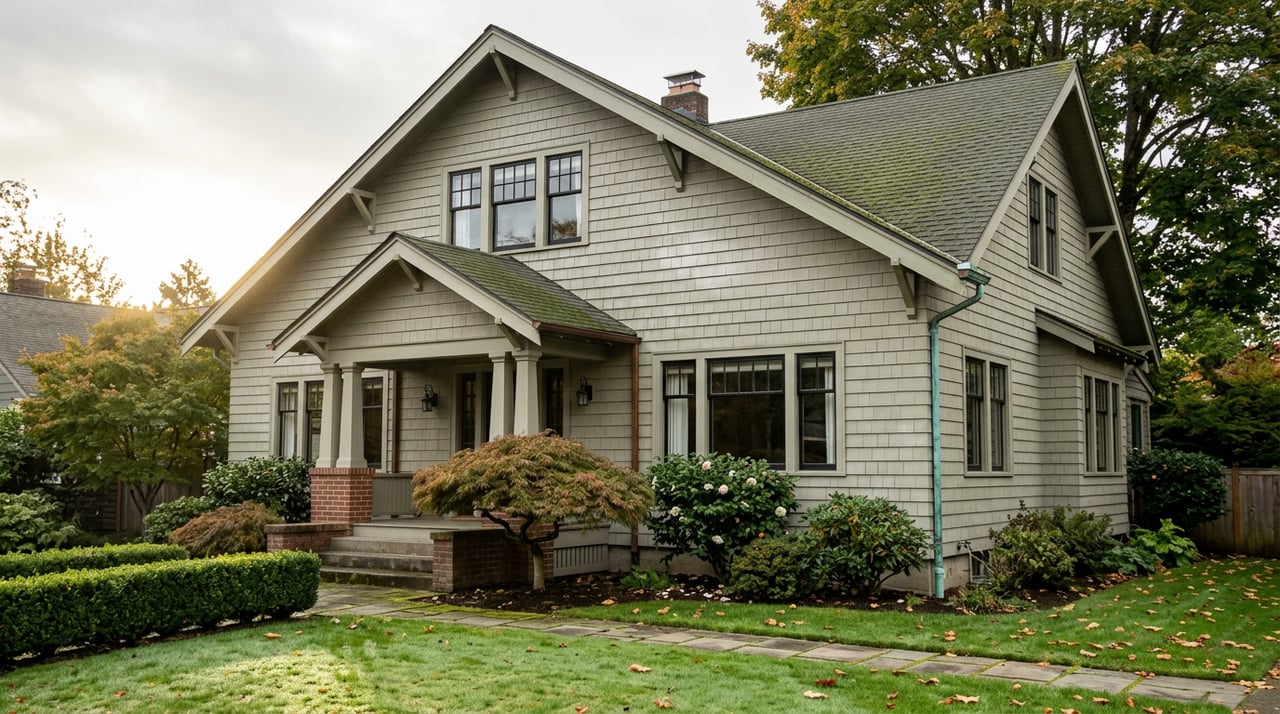
If you are searching for the strongest concentration of single-family homes, Upper Queen Anne is usually the better starting point. City materials point to older homes on residential streets, smaller-scale housing patterns, and commercial areas that remain relatively modest in scale.
Seattle’s guidance for the hilltop commercial areas also aims to limit larger and taller buildings while encouraging preservation of older structures. That supports a lower-scale physical character overall.
For buyers, that can translate into a more traditional residential feel. You may find that even some neighborhood commercial buildings read more like converted houses or modest storefronts than large urban retail blocks.
Lower Queen Anne is more likely to offer condos, apartments, mixed-use buildings, and multifamily housing. This is especially true near Seattle Center and along major corridors.
The area’s residential density increased after the 1962 Seattle World’s Fair, and commercial and apartment growth continued around the civic center area. That pattern helps explain why Lower Queen Anne tends to feel more urban and more vertically built.
If your home search includes condo living, lower-maintenance options, or a building with retail and services nearby, Lower Queen Anne may give you more of that type of inventory.
Upper Queen Anne works well if you want a neighborhood where daily errands feel local and close to home. Queen Anne Avenue N. supports restaurants, grocery stores, convenience uses, boutiques, offices, and other everyday businesses.
The surrounding nodes around W. Galer, Boston, and W. McGraw add to that neighborhood-serving feel. City sources describe these commercial areas as vital to the neighborhood’s ability to function in a somewhat self-sufficient way.
That can appeal to buyers who want a residential setting without giving up practical day-to-day access to basics. You get convenience, but in a more neighborhood-scaled format.
Lower Queen Anne’s biggest day-to-day advantage is its immediate relationship to Seattle Center. Seattle describes Seattle Center as a 74-acre civic, arts, and cultural gathering place with more than 30 partner organizations, public art, major attractions, and a calendar of free and affordable events.
Seattle Center also adds a practical convenience layer. The Armory Food & Event Hall is open 7 a.m. to 9 p.m. daily, with a broad mix of food options, and the campus includes shops such as Caffe Vita at KEXP, Essentially Seattle, the Seattle Kraken Team Store, and the gift shop at Seattle Repertory Theatre.
If you want culture, events, dining, and activity woven into everyday life, Lower Queen Anne offers the denser amenity cluster. For many buyers, that is the strongest reason to choose it.
Transit access is another meaningful difference between the two areas. Both parts of Queen Anne have bus service, but the pattern of access is not identical.
King County Metro shows Route 1 serving Queen Anne Hill and Lower Queen Anne on its way to Downtown Seattle and the Chinatown/International District. Route 2 serves West Queen Anne, Seattle Center, Downtown Seattle, First Hill, Seattle University, and Madrona Park. Route 4 serves Seattle Pacific University, East Queen Anne, Seattle Center, Downtown Seattle, First Hill, and the Central District.
Lower Queen Anne also has direct access to the RapidRide D Line, including a stop at Queen Anne Ave N & W Mercer St. That route connects Crown Hill, Ballard, Interbay, Uptown, and Downtown Seattle.
A unique mobility feature in Lower Queen Anne is the Seattle Center Monorail, which connects Seattle Center and Westlake Center. For some buyers, that direct downtown link is a real quality-of-life benefit.
The newer Queen Anne Ave N protected bike lane extension is designed to connect Uptown and Queen Anne to the city bike network and improve access to downtown, Belltown, South Lake Union, and the regional trail network. That improvement benefits movement between both areas, though Lower Queen Anne remains the more immediate transit-oriented setting overall.
Choosing between Upper and Lower Queen Anne is usually less about which one is better and more about which one matches your routine. The city’s own planning categories capture that difference well: residential village versus urban center.
If you are still undecided, try comparing your ideal weekday instead of just comparing listings. Think about whether you picture yourself on a quieter residential street near a neighborhood retail strip, or in a more active mixed-use setting with cultural venues and transit close by.
That exercise often clarifies the choice faster than square footage alone. In Queen Anne, the best fit usually comes down to the kind of daily rhythm you want.
If you are planning a move in Queen Anne and want local guidance grounded in neighborhood nuance, Jeffrey A. Valcik and Associates, Inc. can help you evaluate the right fit with the clarity and precision that central Seattle buyers and sellers need.
Stay up to date on the latest trends in real estate.
September 24, 2026
September 17, 2026

September 10, 2026
September 3, 2026
August 27, 2026
August 20, 2026
August 13, 2026
August 13, 2026
August 6, 2026
Valcik Bilgin and Associates is dedicated to helping you find your dream home and assisting with any selling needs you may have. Contact him today to discuss all your real estate needs!
JEFFREY VALCIK
EVRIM BILGIN
ADDRESS
120 Westlake Ave N #924
Seattle, WA 98109