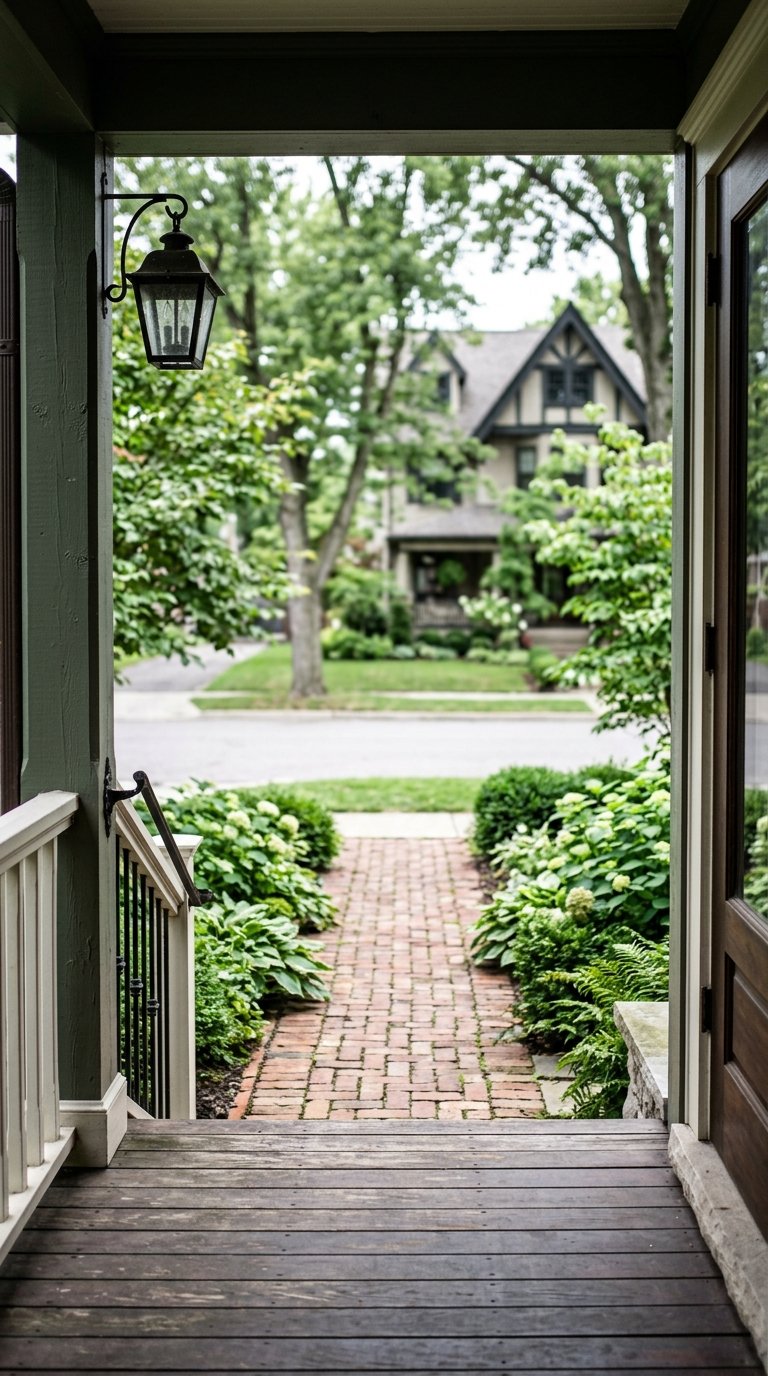
Queen Anne For Design Lovers: Architecture, Views And Life
July 2, 2026
July 2, 2026
If you love neighborhoods that feel shaped by both nature and design, Queen Anne stands out right away. Its steep hill, layered architecture, and sweeping views give daily life a setting that feels distinctly Seattle without feeling generic. Whether you are drawn to historic homes, adaptive-reuse buildings, or walkable streets with memorable viewpoints, Queen Anne offers a lot to notice. Let’s dive in.
Queen Anne is one of Seattle’s most recognizable residential hills, rising 456 feet above Puget Sound. That elevation is not just a backdrop. It is the main design feature that shaped how the neighborhood developed and how it still feels today.
The hill’s steep slopes slowed early development until transportation improved. Electric streetcar service reached the top in 1902, and the steepest part of Queen Anne Avenue used a counterweight system under the street. That history is why the area still carries the well-known name, the Counterbalance.
Queen Anne’s terrain forced the neighborhood to adapt in practical and creative ways. On the west slope, some north-south streets like 11th Avenue W were split into narrow one-way lanes to better handle the grade. Even today, that gives parts of the neighborhood a street pattern that feels more designed than imposed.
Queen Anne Boulevard adds another layer to that experience. Completed in 1916 as a scenic route around the crown of the hill, it remains one of the neighborhood’s defining features. It helps tie together the hilltop setting, the views, and the feeling that Queen Anne is meant to be experienced in motion, not just mapped on a grid.
The neighborhood’s retaining walls, stairways, and ornamental details reinforce that sense of place. The Willcox Walls, also known as the West Queen Anne Walls, combine retaining walls, stairs, and historic light standards with the slope itself. They show how Queen Anne turned difficult terrain into a memorable streetscape.
That is part of why Queen Anne often feels so distinctive on foot. You are not just walking past homes and storefronts. You are moving through a landscape where elevation, viewpoints, and built form are constantly interacting.
Despite the neighborhood’s name, Queen Anne is not a one-style district. City survey work describes it as a place with a concentration of high-style, site-specific, architect-designed houses, but the overall housing stock spans several eras and forms. That variety is one of the area’s biggest draws for design-minded buyers and homeowners.
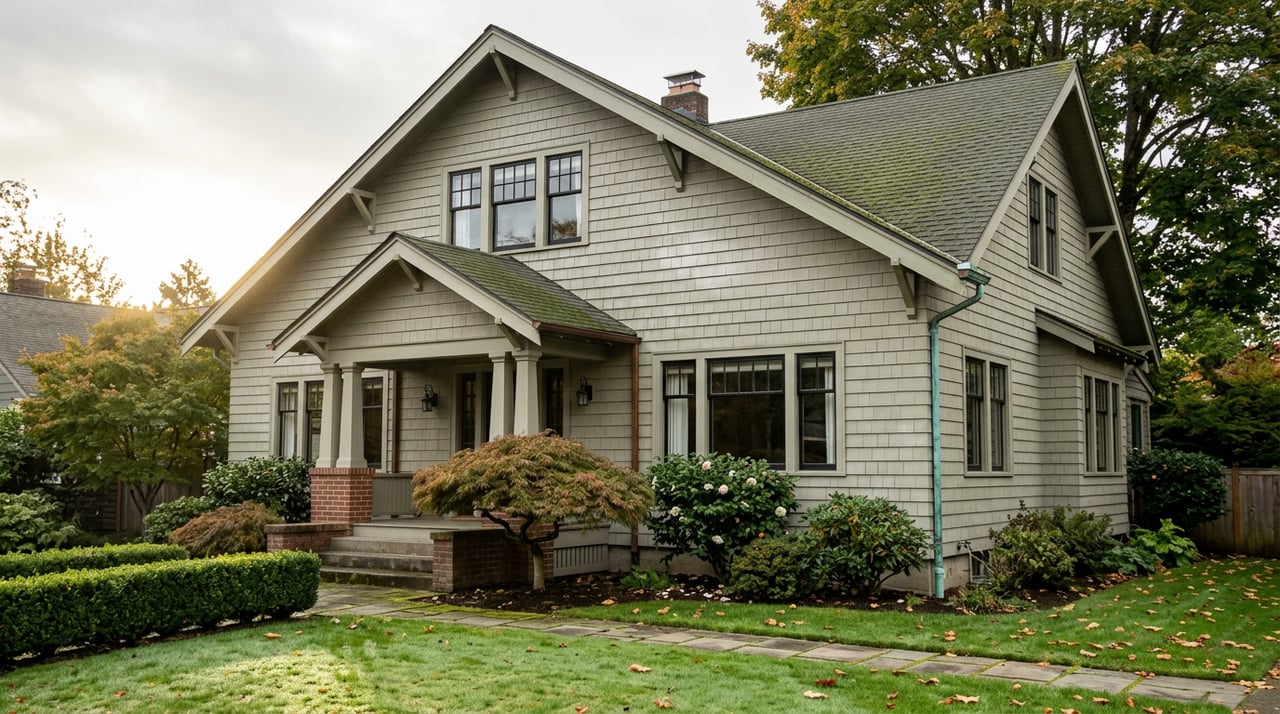
You can see late 19th-century Queen Anne-style houses, early 20th-century Craftsman and Colonial Revival homes, mid-century modern apartments and low-rise buildings, and newer mixed-use infill along major arterials. Instead of reading as uniform, the neighborhood feels layered. That gives Queen Anne visual depth and a stronger sense of evolution over time.
The south slope drew many early residents who wanted commanding views of Mount Rainier, Elliott Bay, and the city skyline. Later, development spread across the hilltop and other slopes, adding more modest homes alongside larger landmark residences. By 1930, Queen Anne had about 30,000 residents, and most were wage earners rather than mansion owners.
That history helps explain why Queen Anne includes both standout view homes and a broad middle layer of everyday residential fabric. For design lovers, that mix matters. It means the neighborhood offers visual interest at many price points and in many building types.
One of the most appealing things about Queen Anne is how often older buildings stay in use. Instead of replacing every older structure, the neighborhood has a strong pattern of preservation and adaptive reuse. That creates continuity and keeps design history visible in everyday life.
Queen Anne High School is a great example. Built in 1909 as a Beaux Arts-style building with a commanding view over Seattle, it now lives on as Queen Anne High School Condominiums. West Queen Anne School followed a similar path and is also used as condo housing today.
The city notes that Queen Anne has 37 Seattle City Landmarks. That inventory includes public, religious, and residential resources, which means preservation is not limited to one building type. It is part of the neighborhood’s broader identity.
The Queen Anne Branch library is especially notable. This 1914 Carnegie-funded branch is listed on the National Register of Historic Places and designated a Seattle landmark. Its late Tudor Revival architecture, leaded glass, oak woodwork, and wood-lined central reading room make it both a neighborhood service and a design destination.
In Queen Anne, views are not just a bonus. They are central to how the neighborhood was built and how many people experience it today. Early homes on the south side were intentionally sited to capture views, and those sightlines still shape the neighborhood’s appeal.
Kerry Park remains the most iconic viewpoint, with Elliott Bay and the central city often framed by Mount Rainier in the distance. Bhy Kracke Park offers another wide-angle perspective that includes downtown, Lake Union, the I-5 corridor, and Capitol Hill. Betty Bowen Viewpoint adds Puget Sound vistas, while Ward Springs Park combines a historic pump house setting with Space Needle views.
These open spaces do more than provide photo-worthy outlooks. They help make Queen Anne’s visual drama part of regular life. A short walk can lead to a civic landmark, a historic stairway, or a skyline view that changes with the weather and season.
Counterbalance Park adds another layer of meaning. It commemorates the old trolley system and serves as one of the few open spaces in dense Uptown. In a neighborhood so shaped by topography and movement, that kind of place carries both historical and everyday value.
Queen Anne’s built environment supports a lifestyle that balances privacy, convenience, and urban access. According to the city’s historic context, its location close to downtown, quality housing stock, private upper residential reaches, and strong views make it one of Seattle’s more desirable neighborhoods. That appeal is tied as much to daily function as to visual beauty.
Upper Queen Anne Avenue and Uptown, along with smaller commercial nodes, provide amenities within walking distance of homes throughout the area. That means your day can include neighborhood errands, dining, services, and public spaces without needing to leave the hill for everything.
Current planning still reflects Queen Anne’s geometry. Much of the top of the hill is zoned for single-family homes, while arterials carry commercial, low-rise, and mid-rise uses. In practical terms, that creates a layered pattern with quieter residential blocks above and denser edges along major streets.
That structure helps Queen Anne feel like a hill town within the city. It is not isolated from Seattle’s energy, but it keeps a clear internal rhythm. For many buyers and homeowners, that blend is a major part of the appeal.
Queen Anne has evolved over time, but often through reuse and preservation rather than wholesale replacement. The city’s planning history reflects that balance. Upper Queen Anne was designated a Residential Urban Village, while Uptown Queen Anne was designated an Urban Center, with guidelines that support pedestrian-friendly amenities and the reuse of older buildings.
That planning framework matters because it helps explain why Queen Anne can feel both established and active. Around Seattle Center and Uptown, you see a more civic and urban character. On the hilltop and many residential slopes, the neighborhood remains more residential in scale and rhythm.
In the 1970s, south-slope residents pushed back against high-rise development and secured downzoning to protect panoramic views of Puget Sound and downtown Seattle. That effort became part of the neighborhood’s preservation story. It also helps explain why views and scale still play such a large role in Queen Anne’s identity.
If you care about architecture, Queen Anne rewards close attention. It offers grand historic homes, modest older residences, adaptive-reuse landmarks, scenic boulevards, and parks that frame some of Seattle’s most memorable views. Few neighborhoods weave topography, preservation, and daily livability together this naturally.
For buyers, that can mean finding a home where design value extends beyond the property lines. For sellers, it means the neighborhood story often matters alongside square footage, condition, and view orientation. In a place as nuanced as Queen Anne, presentation and hyperlocal positioning can make a real difference.
If you are thinking about buying or preparing to sell a Queen Anne home, working with a broker who understands the neighborhood block by block can help you make smarter decisions. To talk through pricing, presentation, or next steps, connect with Jeffrey A. Valcik and Associates, Inc..
Stay up to date on the latest trends in real estate.
September 24, 2026
September 17, 2026

September 10, 2026
September 3, 2026
August 27, 2026
August 20, 2026
August 13, 2026
August 13, 2026
August 6, 2026
Valcik Bilgin and Associates is dedicated to helping you find your dream home and assisting with any selling needs you may have. Contact him today to discuss all your real estate needs!
JEFFREY VALCIK
EVRIM BILGIN
ADDRESS
120 Westlake Ave N #924
Seattle, WA 98109